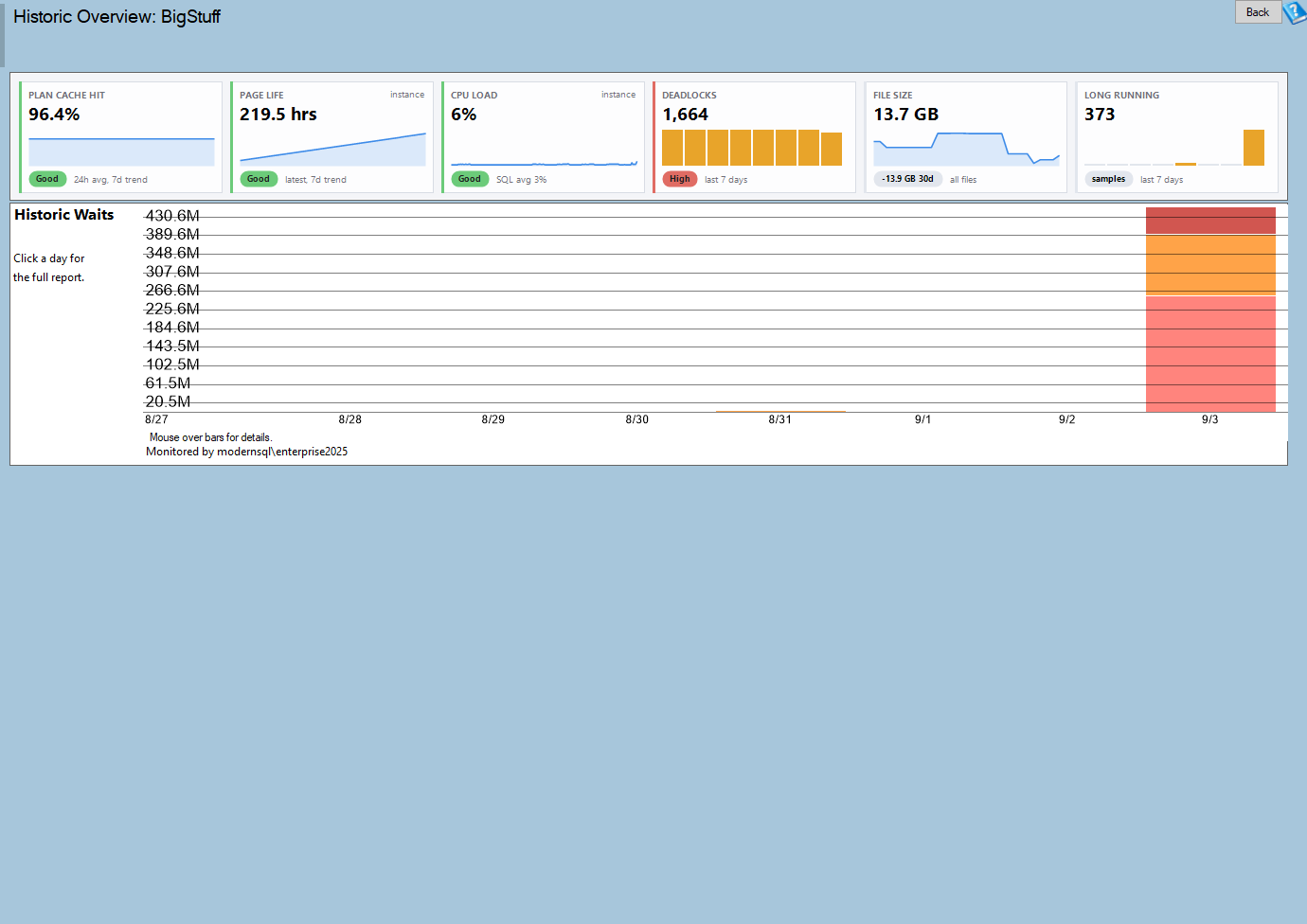
SQL Server Historic Reporting: One Page, One Click
See SQL Server historic reporting in one place: plan cache hit ratio, page life expectancy, CPU, deadlocks, and file growth, trended together.
See SQL Server historic reporting in one place: plan cache hit ratio, page life expectancy, CPU, deadlocks, and file growth, trended together.

In the wise words of Benjamin Franklin, “If You Fail to Plan, You Are Planning to Fail.” This timeless adage holds particular relevance when it comes to safeguarding your SQL Server databases. A failure to adequately prepare for data loss scenarios—be it due to hardware malfunctions, data corruption, or increasingly prevalent ransomware attacks—can have devastating consequences for your business. The Common Problem: Lack of Preparedness Despite the rising risks, it’s shocking how often we encounter businesses that are inadequately prepared …
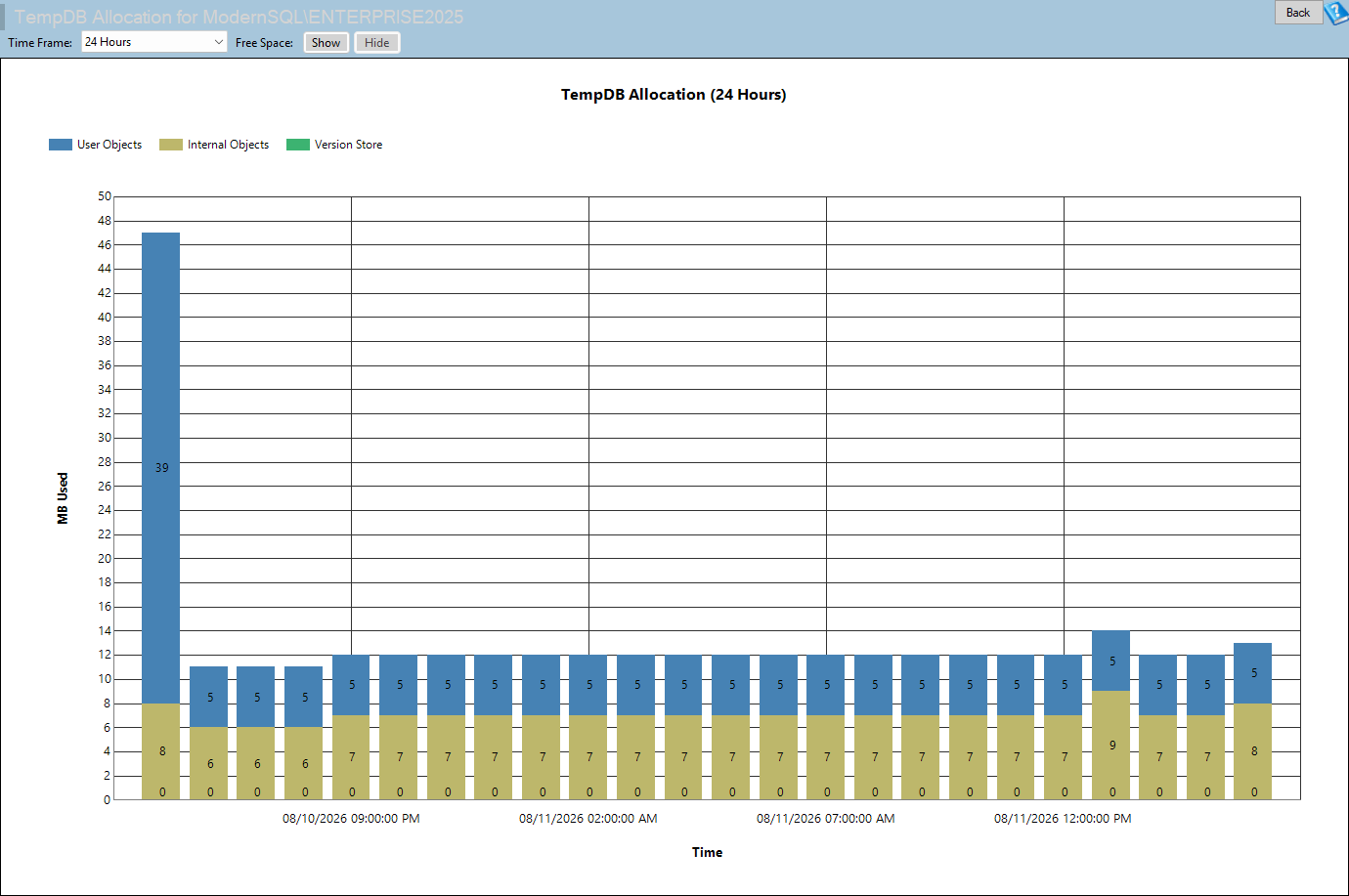
SQL Server tempdb allocation splits into three bands, so a full tempdb points to code, a bad plan, or a long transaction instead of a guess.
Take advantage of this 25% discount on my Backup and Recovery Course for SQL Server and learn how to implement a comprehensive backup and recovery strategy for your organization. Here are some reasons to check out this class. Immediate Return on Investment: By mastering backup and recovery skills, you reduce the risk of costly downtime, data loss, and business disruptions, ensuring that your investment in this training pays for itself many times over. Access to Exclusive Tools and Resources: Gain …
Why New DBAs Should Take Our Backup and Recovery Course Read more →

In the world of database management, maintaining optimal performance is an ongoing challenge. One crucial aspect that often gets overlooked is the management of indexes. While indexes can significantly enhance query performance, having too many of them can lead to issues when it comes to inserts, updates, and deletes. In this blog post, we’ll explore the delicate balance of index management and discuss strategies to identify and remove unnecessary indexes without compromising system stability. The Dilemma of Too Many Indexes …

The WRITELOG wait type represents the time spent waiting for transaction log records to be written to disk, a fundamental step that ensures durability during data modifications. This wait becomes noticeable when applications perform frequent inserts, updates, or deletes, forcing the database engine to flush log buffers before committing changes. High WRITELOG waits often signal underlying storage limitations or inefficient transaction patterns that increase the volume of log flushes. When these waits accumulate, they can slow overall system throughput and …
WRITELOG Wait Type in SQL Server: Causes, Diagnosis and Fixes Read more →
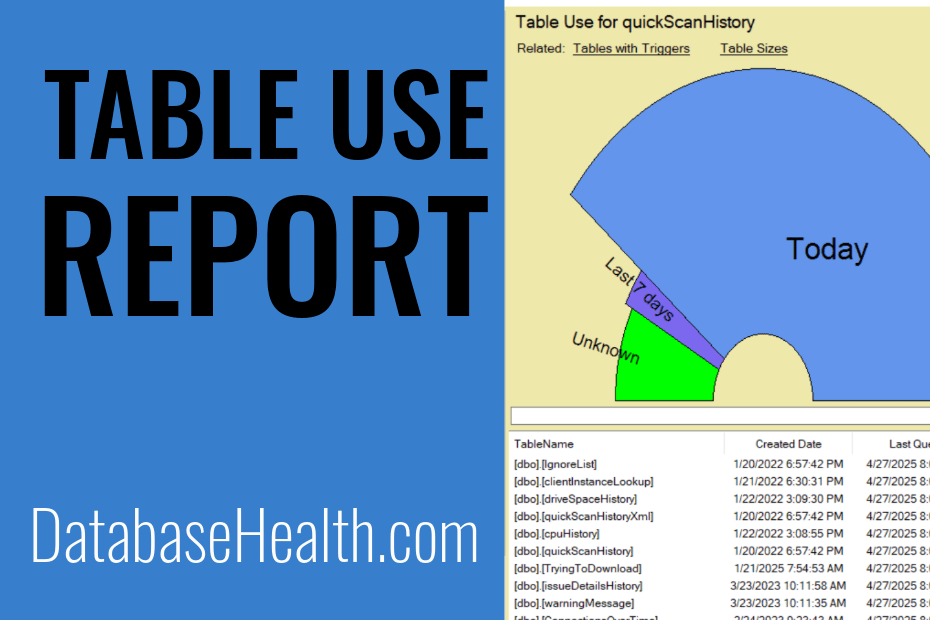
In today’s data-driven landscape, SQL Server databases form the backbone of countless business applications, handling everything from real-time transactions to long-term analytics. Yet within these complex systems, tables vary widely in their activity levels—some see constant queries while others sit idle, quietly consuming storage and complicating maintenance. Gaining clear visibility into actual table usage patterns is essential for improving performance, controlling costs, and strengthening security. The Table Use Report in Database Health Monitor addresses this need by capturing the last …
SQL Server Table Use Report: Track Last Queried Tables in Database Health Monitor Read more →
If you have never run a load test against SQL Server before, the idea can sound like itrequires a separate team, a separate tool, and a separate budget line. It does not. WithQuery Loading Ramp, included free in Database Health Monitor, you can run a real,meaningful load test in about ten minutes. Here is exactly how. Step 1: Connect Open Query Loading Ramp and click Connect. Enter your server name and database, chooseWindows Authentication or a SQL login, and confirm …
Stop Guessing: Your First SQL Server Load Test in 10 Minutes Read more →

July is Database Health Monitor Month! July has arrived, and it’s time to turn our attention to the heartbeat of our digital world – our databases! As the founder of Database Health and Stedman Solutions, I’m thrilled to proclaim this month as Database Health Monitor Month! This is our annual chance to celebrate the unsung heroes safeguarding our precious data and to explore the intricate web of data structures and relationships within our systems. Let’s take a closer look at …
Blocking Query Monitor – Part of Database Health Read more →
Most SQL Server environments are monitored reactively. Something breaks, users complain, the DBA investigates, the problem gets fixed, and life returns to normal until the next incident. In many organizations this passes for a monitoring strategy, because the databases are usually up and the team is usually responsive. The incidents are an accepted cost of doing business. But reactive monitoring carries costs that are easy to underestimate because they are distributed across many incidents over time. Each incident consumes DBA …
We are ready to help. Steve and the team at Stedman Solutions are here to help with your SQL Server needs. Get help today by contacting Stedman Solutions through the free 30 minute consultation form.
Contact Info for
Stedman Solutions, LLC.
PO Box 3175, Ferndale WA 98248,
Phone: (360)610-7833
Our Privacy Policy